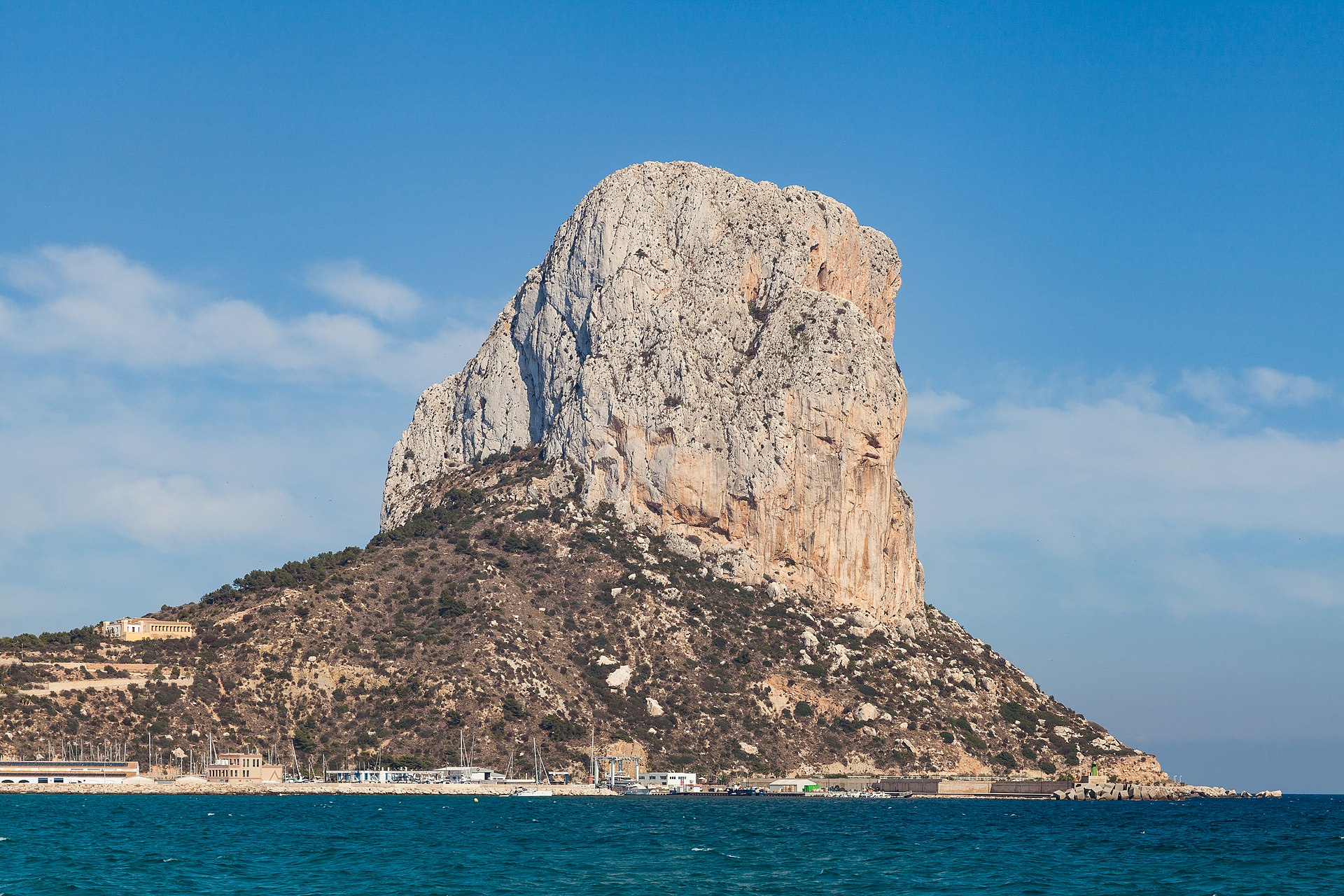
Choosing which city to live in is one of the first big decisions when moving to Spain — and one that weighs most on your budget, routine and how fast you settle in. And it's no accident that so many people pack their bags: Spain has the highest life expectancy in the European Union, 84 years (Eurostat, 2024 data), a Mediterranean climate, a renowned public health system and a foreign community that already makes up 14.1% of the population (INE, 2025).
The truth few people tell is that there is no single "best city to live in Spain". There is the one that best fits your work, your family and your wallet. Madrid and Barcelona are amazing, but expensive and intense; the mid-sized Mediterranean coastal cities tend to offer a far better balance of climate, cost and quality of life for newcomers.
In this guide we compare the most sought-after cities, with official, up-to-date data, and explain which profile each one suits best. An honest warning upfront: the figures here are guideline market values, not promises — prices change and every case is different.
Prefer to watch? Suelen ranked the cities in this video:
How we compare (methodology and sources)
So you can trust the numbers, each figure comes from a public source and is dated:
- Population: INE (Spain's National Statistics Institute), official figures as of 1 January 2025.
- Climate (average annual temperature and sunshine hours): AEMET (Spain's State Meteorological Agency), climate normals.
- Rent (€/m² per month): Fotocasa index, June 2026 (city level).
- Cost of living (one person, excluding rent): Numbeo, June 2026.
- Field experience: what we live helping families settle in, neighborhood by neighborhood.
Comparison table: the best cities to live in Spain
| City |
Population |
Rent (€/m²/month) |
Rent ~75 m² |
Avg. temp. |
Sun/year |
Cost of living* |
| Valencia | 840.792 | 19 €/m² | ~1.425 € | 18,3 °C | 2.696 h | ~723 € |
| Alicante | 366.221 | 15 €/m² | ~1.125 € | 18,2 °C | 2.953 h | ~728 € |
| Tarragona | 143.649 | 12 €/m² | ~900 € | 16,1 °C | 2.527 h | ~743 € |
| Reus | 111.601 | 13 €/m²† | ~975 € | 16,1 °C | 2.527 h | ~743 €† |
| Murcia | 479.405 | 10 €/m² | ~750 € | 18,6 °C | 2.967 h | ~702 € |
| Málaga | 599.063 | 17 €/m² | ~1.275 € | 18,5 °C | 2.905 h | ~722 € |
| Zaragoza | 693.091 | 14 €/m² | ~1.050 € | 15,5 °C | ~2.693 h | ~731 € |
| Salamanca | 146.110 | 11 €/m² | ~825 € | 12,2 °C | 2.667 h | ~624 € |
Population: INE (1 Jan 2025). Rent: Fotocasa, Jun 2026 (city level). Rent ~75 m² = guideline estimate (€/m² × 75) over the whole-city average; in budget neighborhoods it is usually much lower. Climate: AEMET (Tarragona/Reus use the Reus Airport station). *Cost of living: Numbeo, Jun 2026, one person excluding rent (Spain reference ≈ €717). †Reus: Fotocasa has no city-level figure; the province of Tarragona is used as an approximation.
What to consider before choosing your city
Before falling in love with a city through photos, it's worth weighing four fronts. They are what turn the "Spanish dream" into a move that works.
Work and opportunities
If your work is remote, you're free to prioritize climate, cost and quality of life — and that's where mid-sized coastal cities shine. If you need to be on-site, the game changes: Madrid and Barcelona hold the big companies, and Málaga is establishing itself as a tech hub. Decide this first, because it's what most narrows (or widens) your list.
Cost of living and housing
The biggest expense when you move is almost always housing. As the table shows, average rent varies widely: from about €10/m² in Murcia to €19/m² in Valencia (Fotocasa, Jun 2026). But note a decisive detail: these are whole-city averages, pushed up by central areas. The gap between neighborhoods can be huge — and it's precisely in the more affordable neighborhoods that we help families find a home. Outside Madrid and Barcelona, general living costs stay close to the Spanish average (around €717 per month per person, excluding rent, according to Numbeo).
Renting as a foreigner: the real challenge
Here's the point almost no one tells you: the hardest part isn't choosing the city, it's actually getting a rental there as a newcomer. Without a Spanish payslip or a track record in the country, many landlords simply say no — no matter how much money you have. It's done by presenting a strong profile (savings, income from your home country and, above all, an approved rental-default insurance) and arriving with the file ready. That's exactly the bottleneck Aterriza solves before you fly, closing the rental in advance.
Family, climate and connections
If you come with children, schools, space and quiet neighborhoods matter more. If you want sun all year, look at the sunshine-hours column: Murcia (2,967 h), Alicante (2,953 h) and Málaga (2,905 h) lead, according to AEMET. And check how close you are to an airport with flights home — it makes a difference for visiting family.
The best cities, in detail
1. Valencia — the best balance for newcomers
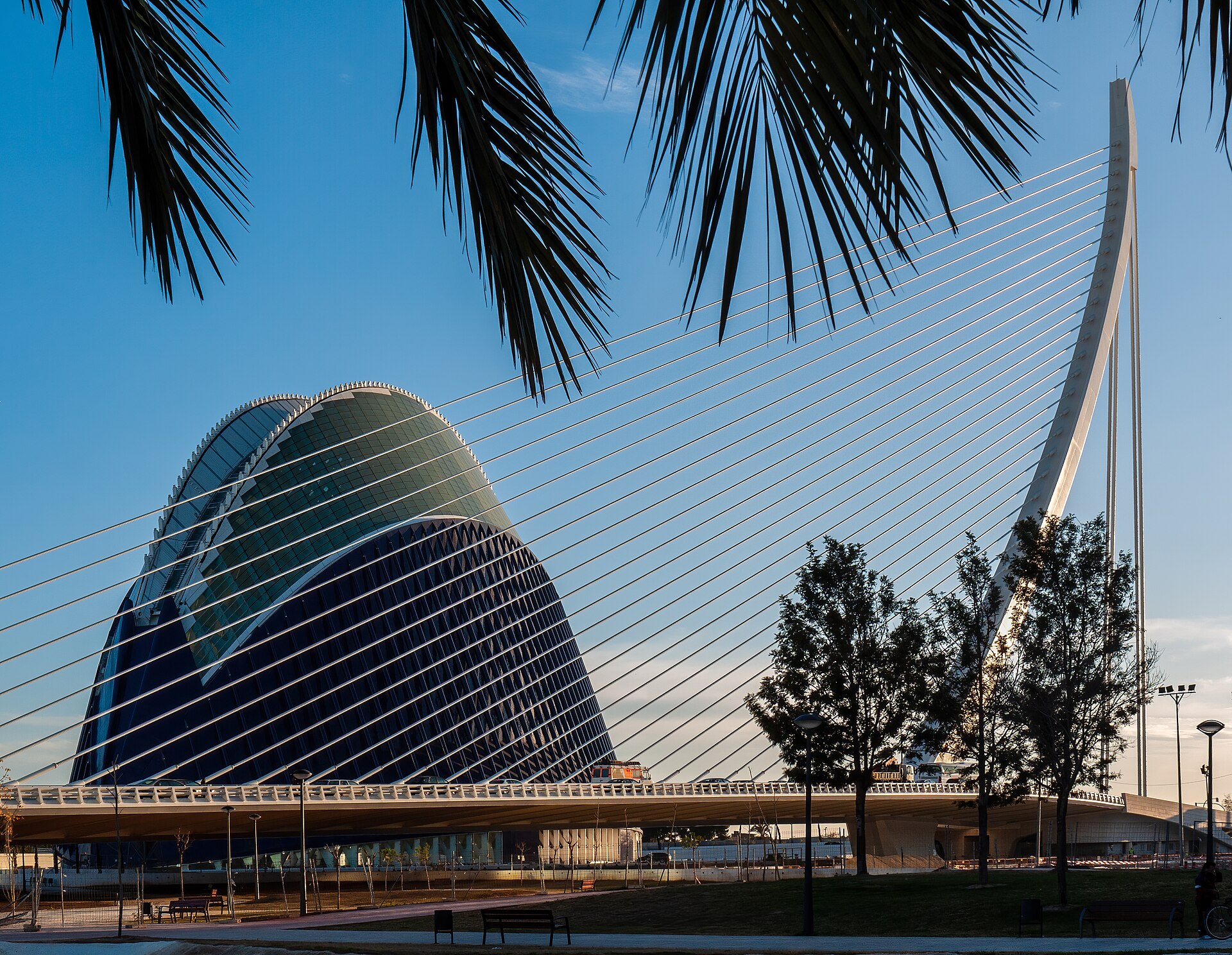
Spain's third-largest city (840,792 inhabitants, INE), Valencia is, for many, the country's most balanced choice. It combines beach, a full urban life, culture and food, and a huge international community — all at a cost well below Madrid or Barcelona. It has a mild Mediterranean climate, with an annual average of 18.3 °C and 2,696 hours of sun a year (AEMET).
It's also the city where rent has risen most in recent years: the average is around €19/m² per month (Fotocasa, Jun 2026), which for a 75 m² flat in a mid-range area would be about €1,425 — though in neighborhoods further from the center it drops considerably. General living costs, excluding rent, are around €723 per month for one person (Numbeo).
Who it's for: a favorite of families and digital nomads, for its mix of climate, efficient public transport, good schools and an active international community.
✅ Balance of climate + city + cost
⚠️ Rising rent; competitive center
✅ Beach, culture and community
⚠️ Hot, humid summer
2. Alicante — sun, sea and the best coastal value
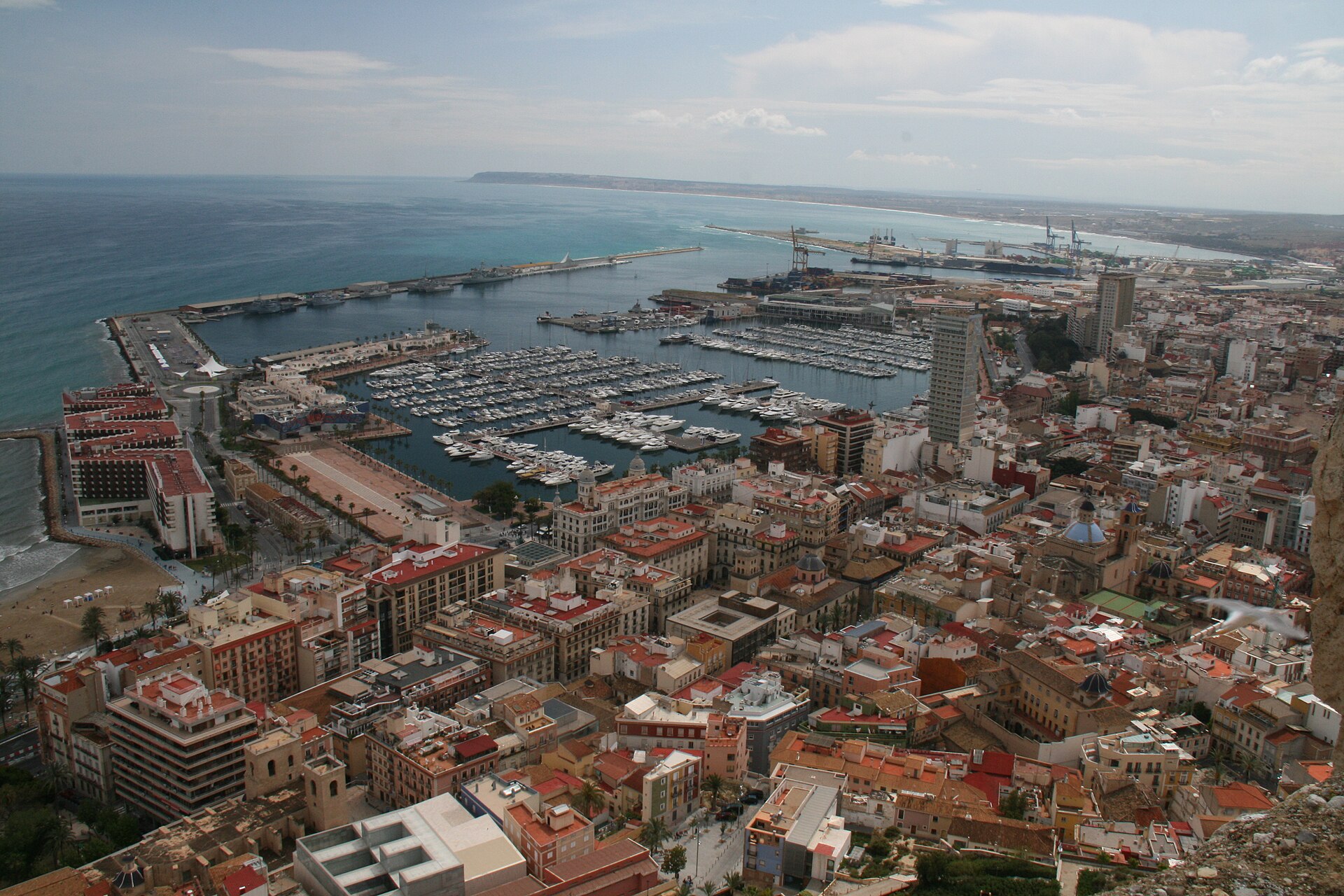
On the Costa Blanca, Alicante (366,221 inhabitants) is the city for those who prioritize sun, sea and calm without giving up infrastructure. It has one of the highest sunshine averages in the country — 2,953 hours of sun a year (AEMET) — and warm weather almost all year, averaging 18.2 °C. The international airport makes travel and arrival easy.
It's also one of the best-value coastal cities: average rent is around €15/m² (Fotocasa, Jun 2026), below Valencia and well below Barcelona. As Aterriza's home base, it's the city we know in the most depth, neighborhood by neighborhood — and where we help the most families settle in.
Who it's for: retirees and people of independent means seeking climate and calm, and remote workers who want the beach at a good cost.
✅ Sun year-round and affordable
⚠️ Mid-sized-city pace
✅ International airport nearby
⚠️ Heavy tourism in summer
3. Tarragona — close to Barcelona, paying much less
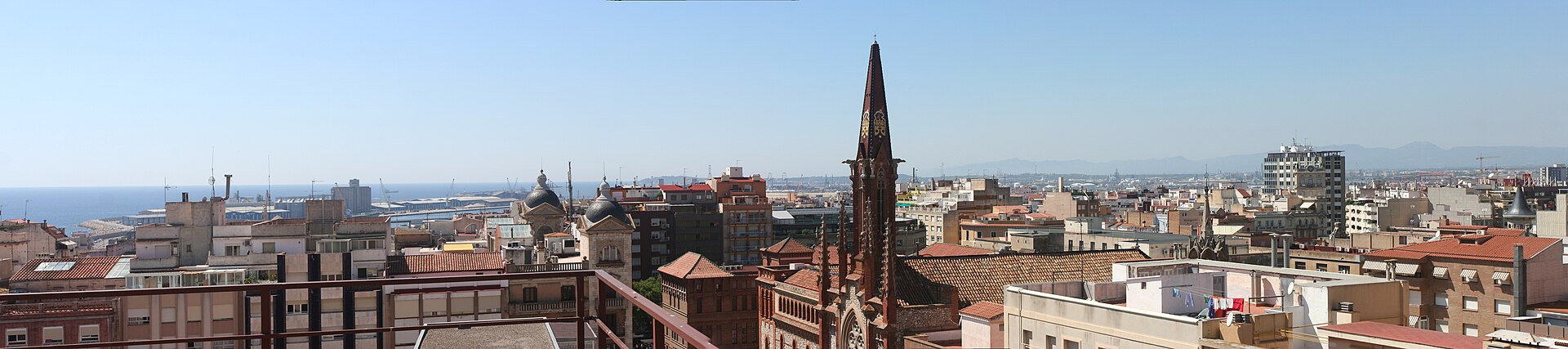
On the Costa Dorada, Tarragona (143,649 inhabitants) is the smart choice for those who want Barcelona's proximity — just over an hour away — without the capital's price and pace. It's a quiet mid-sized city with a beach, an impressive Roman old town and good services. The climate is Mediterranean, averaging 16.1 °C and 2,527 hours of sun (AEMET, Reus station).
Average rent is around €12/m² (Fotocasa, Jun 2026) — much cheaper than Valencia or Barcelona. For a family that values quality of life and wants to stay connected to greater Barcelona without paying for it, it makes a lot of sense.
Who it's for: families and those who work in the Barcelona area but don't want to live in (or pay for) the capital.
4. Reus — the most economical option near the coast
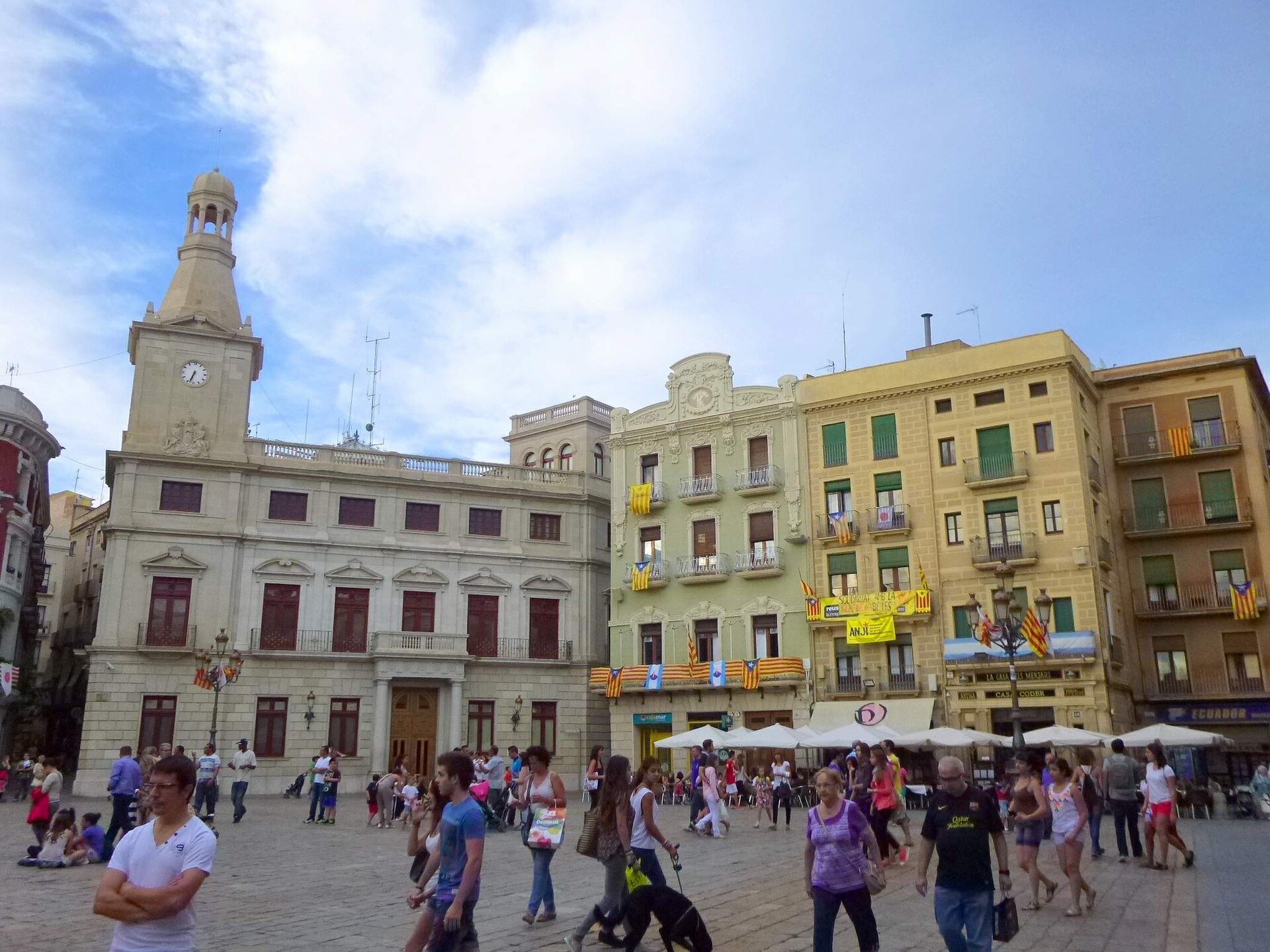
Next to Tarragona, Reus (111,601 inhabitants) has an everyday-city feel: full services, its own airport and little tourism. It shares the Camp de Tarragona climate (16.1 °C average; 2,527 h of sun — AEMET) and tends to be even cheaper than Tarragona. Since Fotocasa doesn't publish a city figure for Reus, the provincial reference is around €13/m² (Jun 2026), but within the town it tends to be lower.
Who it's for: families and those who want to stretch their budget while staying close to the coast and Barcelona.
Other cities worth a look
Murcia — the cheapest and sunniest
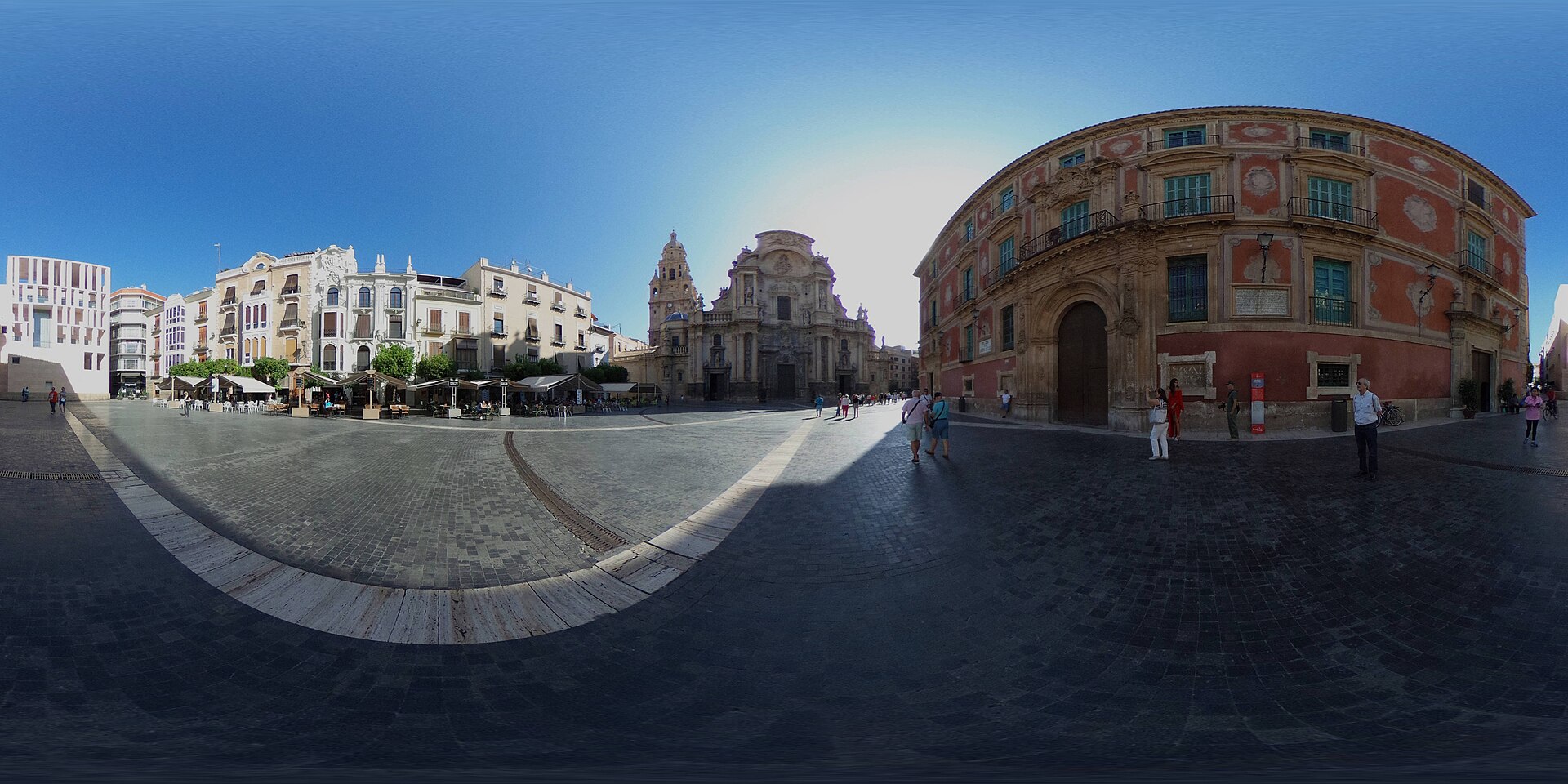
In the southeast, Murcia (479,405 inhabitants) pairs the lowest rent on this list — about €10/m² (Fotocasa, Jun 2026) — with the highest sunshine average: 2,967 hours a year and 18.6 °C average (AEMET). It's a growing city with a good university and a cost of living below the Spanish average. Ideal for those who prioritize budget and warmth.
Málaga — sun, tech and energy
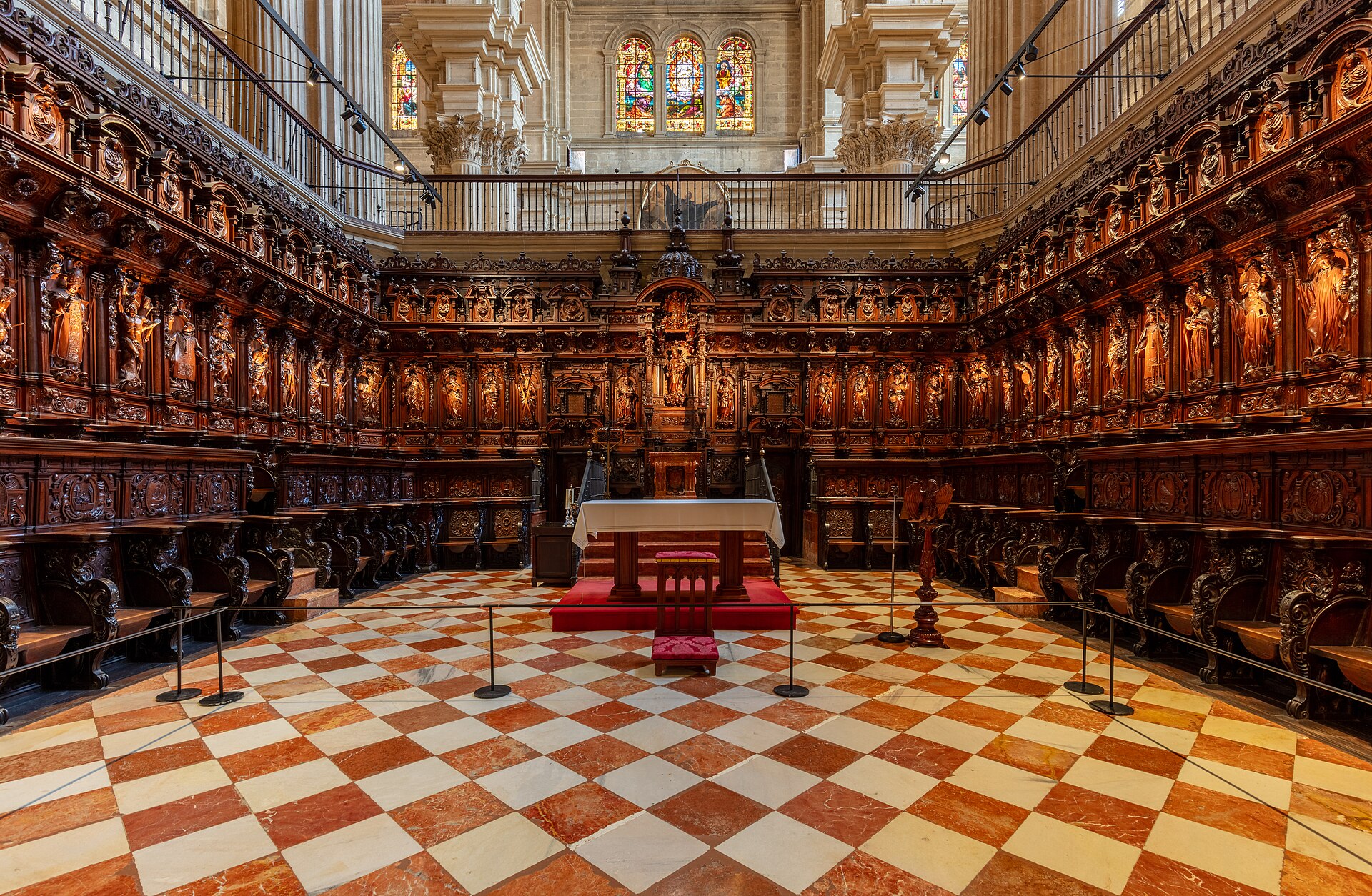
Capital of the Costa del Sol, Málaga (599,063 inhabitants) has become one of Spain's major tech hubs, attracting international companies and professionals. It has 2,905 hours of sun and an 18.5 °C average (AEMET), a beach and a vibrant cultural scene. The trade-off is price: with average rent of €17/m² (Fotocasa, Jun 2026), it's one of the most expensive cities on this list.
Zaragoza — the well-connected interior
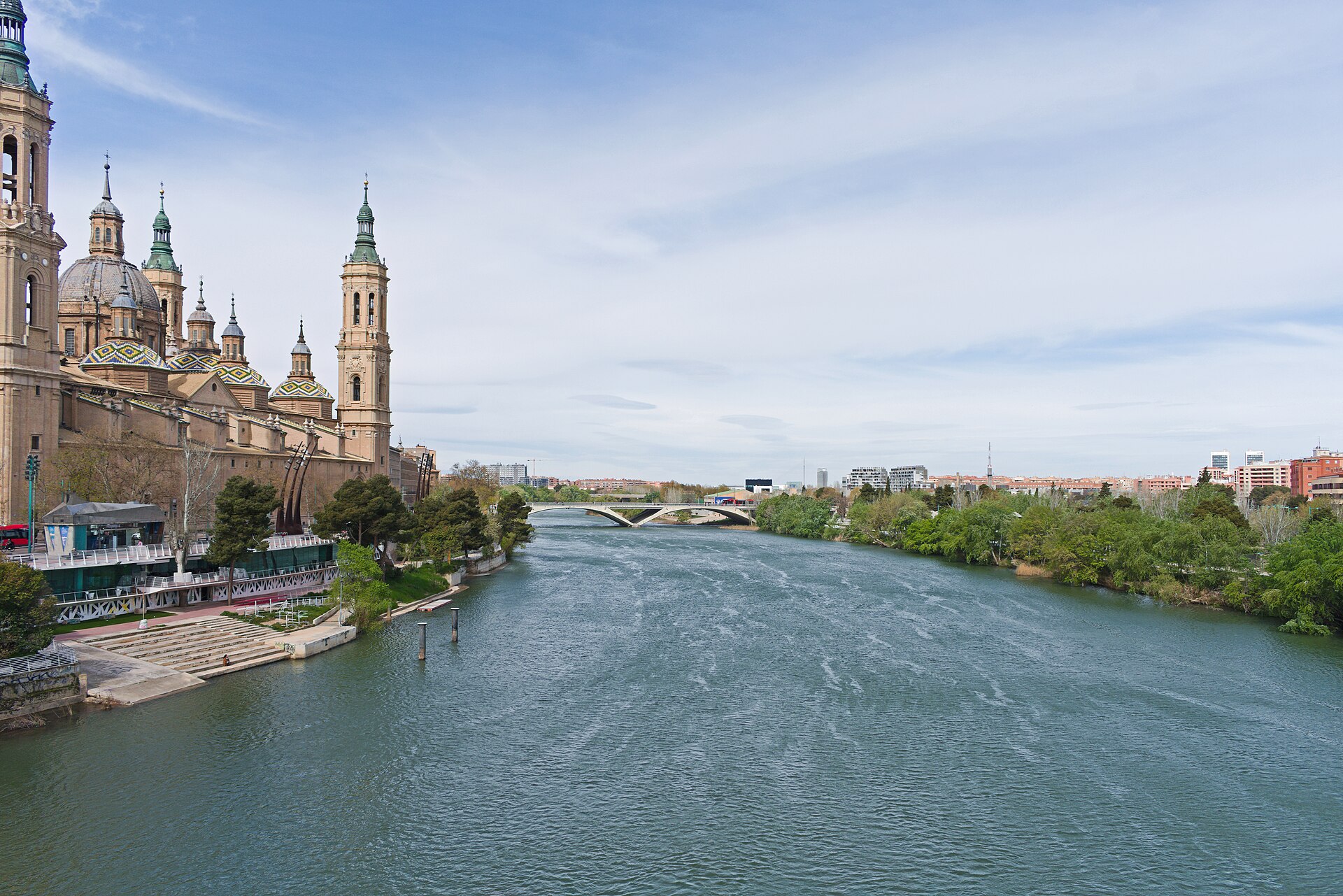
Inland, halfway between Madrid and Barcelona (and linked to both by high-speed rail), Zaragoza (693,091 inhabitants) is a large, economical and underrated city. Average rent around €14/m² (Fotocasa, Jun 2026) and a continental climate, drier and with cold winters (15.5 °C annual average). Great for those who want a big city, good connections and a reasonable cost, without relying on the beach.
Salamanca — a charming, cheap university city
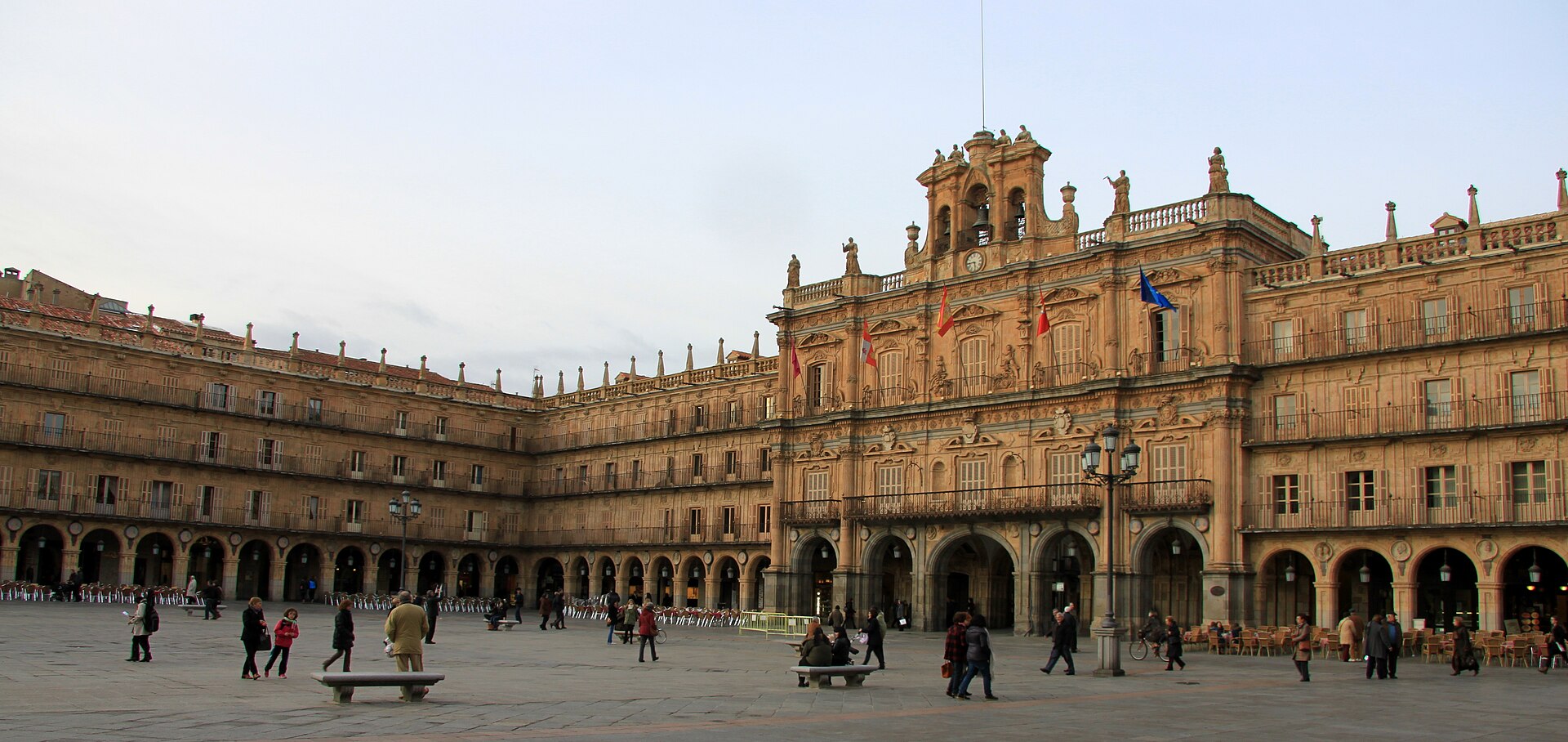
A historic university city in Castile and León, Salamanca (146,110 inhabitants) is one of the cheapest in this selection: average rent of about €11/m² (Fotocasa, Jun 2026) and the lowest cost of living on the list (~€624 per month per person, Numbeo). In return, the climate is the coldest (12.2 °C annual average). Perfect for students and for those seeking a more traditional, quiet Spain.
Cost of living in Spain: what to expect
Generally, outside Madrid and Barcelona, the cost of living in Spain is quite affordable by European standards. Average spending for one person, excluding rent, is around €717 per month nationwide (Numbeo, Jun 2026), varying little across the cities on this list — from ~€624 in Salamanca to ~€743 in Tarragona. In other words: the variable that really changes your budget from city to city (and, above all, from neighborhood to neighborhood) is rent.
That's why the right calculation is never "how much does it cost to live in that city," but "how much does it cost to live in that neighborhood, for your profile, with your family." That detailed analysis — city, neighborhood and the reserve you'll need — is exactly what we work out with you in the consultation, with real numbers rather than generic internet averages.
Practical tips to rent and move safely
- Choose the city, then the neighborhood. The gap in price and quality of life between neighborhoods of the same city is often bigger than between different cities.
- Prepare your rental file before you fly: proof of income, savings and, above all, approved rental-default insurance — it's what makes a landlord say "yes" to a newcomer.
- Never close a rental without a guarantee. Scams with non-existent flats are common: never pay in advance for a home you (or someone you trust) haven't seen in person.
- Keep a reserve. Budget for the deposit, first month and surprises — a reserve worth several months of living costs brings peace of mind during the transition.
- Handle the paperwork in the right order: NIE, bank account and empadronamiento are linked, and doing them out of order blocks everything.
Conclusion: which city to choose?
If you want the best balance of climate, cost and urban life, Valencia is an almost sure bet. For sun, sea and the best coastal value, Alicante. To be near Barcelona paying less, Tarragona and Reus. If the goal is maximum savings with lots of sun, Murcia; if it's a tech career, Málaga; and for a well-connected large inland city, Zaragoza.
In the end, the best city is the one that fits your case — and that you can actually rent. That's exactly what we do with you: we help you choose the right city and neighborhood and arrive with your home already rented and the paperwork underway, even before you board.
Not sure which city fits your case?
Tell us your case and arrive in Spain with your home ready and the paperwork sorted.
Talk to Aterriza
Frequently asked questions
What is the best city to live in Spain as a foreigner?+
For most newcomers, Valencia tends to be the most balanced choice — mild climate (18.3 °C average and nearly 2,700 hours of sun a year), affordable cost versus Madrid/Barcelona, beach, good schools and a large international community. Alicante is strong for those wanting sun and calm at a great cost; Tarragona and Reus, for those wanting to be near Barcelona paying less. There's no single answer: the best city is the one that fits your work, family and budget.
What is the cheapest city to live in Spain?+
Among the most sought-after cities, Murcia (average rent ~€10/m²) and Salamanca (~€11/m² and the lowest cost of living, ~€624 per month for one person) are among the cheapest, followed by Tarragona and Zaragoza (Fotocasa and Numbeo data, Jun 2026). But cost varies far more by neighborhood than by city: an "expensive" city can have affordable areas, and vice versa.
Where is it easiest to rent as a foreigner without a Spanish payslip?+
The difficulty of renting without a payslip or track record exists in every city — it's the newcomer's biggest barrier, not a question of location. What unlocks it is the tenant's profile: savings, income from your home country and, above all, an approved rental-default insurance, presented in a strong file. That's exactly the bottleneck Aterriza solves before you arrive, closing the rental with the insurance approved.
Valencia or Alicante: which to choose?+
Valencia is a larger city, with more urban life, culture and school options — ideal for families and for those wanting capital-city infrastructure at a reasonable cost. Alicante is smaller, warmer (one of the highest sunshine averages in the country) and quieter, with excellent value and an international airport — great for retirees, people of independent means and digital nomads. Both are on the Mediterranean coast and cost far less than Madrid or Barcelona.
How much should I save before moving to Spain?+
There's no single number, because it depends on the city, the neighborhood and your lifestyle — but plan with margin. Add the initial rent (usually the first month plus a deposit, and sometimes an extra month of guarantee), the paperwork and the first months of living costs (around €700 per month per person excluding rent, according to Numbeo). A reserve worth several months of expenses prevents stress during the transition.
Do I need a visa to live in Spain?+
To live legally, yes — and the path depends on your profile (digital nomad, non-lucrative, work or study visa). We cover this in detail in our full guide to living in Spain. Choosing the city and the visa go together, and we help align both.
Sources
Population: INE — Official municipal population figures (1 Jan 2025). · Climate: AEMET — Climate normals. · Rent: Fotocasa — Property index (Jun 2026). · Cost of living: Numbeo — Cost of Living (Jun 2026). · Life expectancy: Eurostat (2024 data). · Foreign population: INE — Continuous Population Statistics (2025).
Market values (rent, cost of living) are guidelines and change over time. Last updated: June 2026.
See also: How to live in Spain (full guide) →